Radon Mitigation in Colorado Springs, CO
Radon is the second leading cause of lung cancer in the U.S., and Colorado Springs sits in the EPA's highest-risk zone. The good news: a professionally installed mitigation system typically costs $800–$2,000, takes less than a day to install, and reliably brings levels down. We connect you with local professionals and get you free quotes.
- ✓ Guidance on checking licenses
- ✓ Free, no-obligation quotes
- ✓ Written reduction guarantee
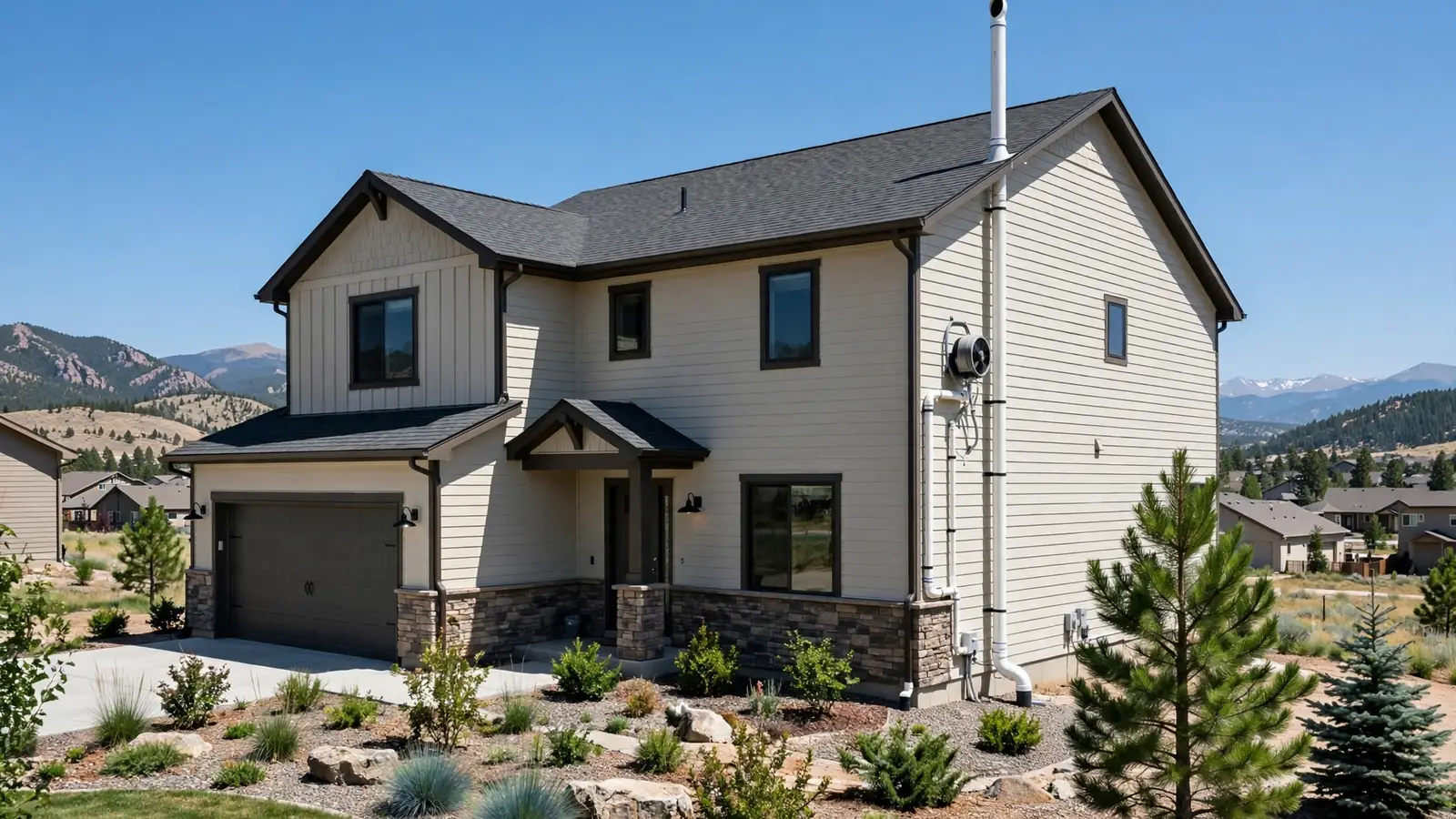
Key facts for Colorado Springs homeowners
- El Paso County is EPA Radon Zone 1 — the highest potential category, predicting average indoor screening levels above 4 pCi/L.
- Local test data frequently comes back above the EPA's 4.0 pCi/L action level — every home should be tested, regardless of zone or neighbors' results.
- Mitigation costs $800–$2,000 in Colorado Springs; a standard sub-slab depressurization system runs $1,000–$1,500.
- Systems work. Properly installed mitigation typically reduces radon to 2 pCi/L or below — installation takes about a day.
- Sealing cracks alone is not a fix. Colorado health officials are explicit: caulking is not a standalone radon solution.
Testing and mitigation, explained plainly
Radon Testing
DIY kits cost $15–$50; professional tests run $150–$250 and are often bundled with a home inspection. Short-term tests take 2–7 days. Every Colorado Springs home should be tested.
Testing options →Mitigation Systems
Sub-slab depressurization — a vent pipe and fan that draws radon from beneath your foundation and vents it safely above the roof. Installed in about a day.
How mitigation works →Costs & Levels
What mitigation costs in Colorado Springs, what your pCi/L reading actually means, and when the EPA says to act. Plain numbers, no scare tactics.
2026 cost guide →From test result to fixed home in three steps
-
Test your home
Use a $15–$50 DIY kit or hire a professional ($150–$250). Place it in the lowest lived-in level for 2–7 days, then read the result in pCi/L.
-
Compare free quotes
If your level is at or above 4.0 pCi/L, get quotes from licensed mitigation professionals. We match you with local pros — typically $800–$2,000 installed.
-
Breathe easier
Installation takes about a day. A post-installation test confirms your level dropped — most systems bring homes to 2 pCi/L or below. Retest every two years.
What radon is, in one paragraph
Radon is a naturally occurring radioactive gas produced by the decay of uranium in soil and rock — and Colorado's geology produces a lot of it. It's colorless, odorless, and tasteless, so the only way to know your level is to test. Long-term exposure to elevated radon is the second leading cause of lung cancer in the United States, according to the EPA. The risk is real but entirely manageable: test, and if levels are elevated, mitigate.
Colorado Springs radon FAQs
Typically $800–$2,000. A standard sub-slab depressurization system in a home with a basement runs $1,000–$1,500. Complex foundations or crawl spaces can reach $1,300–$3,000. See the full cost breakdown →
The EPA sets the action level at 4.0 pCi/L — mitigate at or above it. The EPA also recommends considering a fix between 2 and 4 pCi/L. Local test data in Colorado Springs frequently comes back above the action level. Understand your reading →
No — not on its own. Colorado's health department states that caulking and sealing cannot stop radon by itself; sealant dries out over time and it's impossible to seal every entry point. Sealing is done as part of a mitigation system, never instead of one.
Most residential systems are installed in a single day — typically 4–8 hours. A follow-up test a few days later confirms the system brought your level down.
Know your number. Then fix it with confidence.
Get free quotes from licensed Colorado Springs radon mitigation professionals. Written reduction guarantee, minimum 5-year fan and workmanship warranty.
Get My Free Quotes or call (719) 555-0147